whatsapp
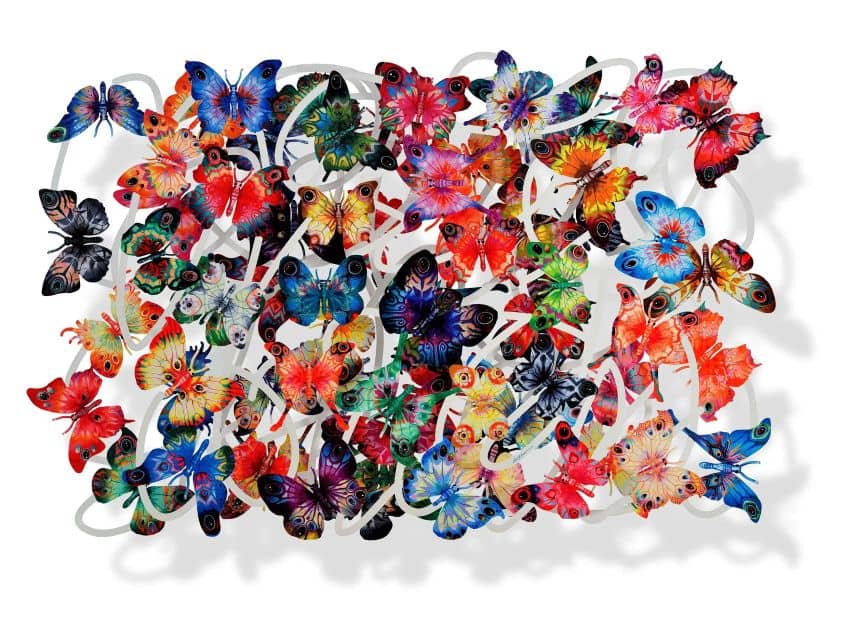
David Gerstein Magic Cloud / Wall Sculpture / signed, numbered / Edition 150
| Year: | 2018 |
| Format: | 178 x 120 x 15 cm / 70.1 x 47.2 x 5.9 inch |
| Material: | aluminum |
| Method: | steelcut and mixed media |
| Edition: | 150 |
| Other: | hand-signed, numbered |
David Gerstein – Magic Cloud Butterflies.
| Year: | 2018 |
| Format: | 178 x 120 x 15 cm / 70.1 x 47.2 x 5.9 inch |
| Material: | aluminum |
| Method: | steelcut and mixed media |
| Edition: | 150 |
| Other: | hand-signed, numbered |


David Gerstein - Magic Cloud Butterflies.
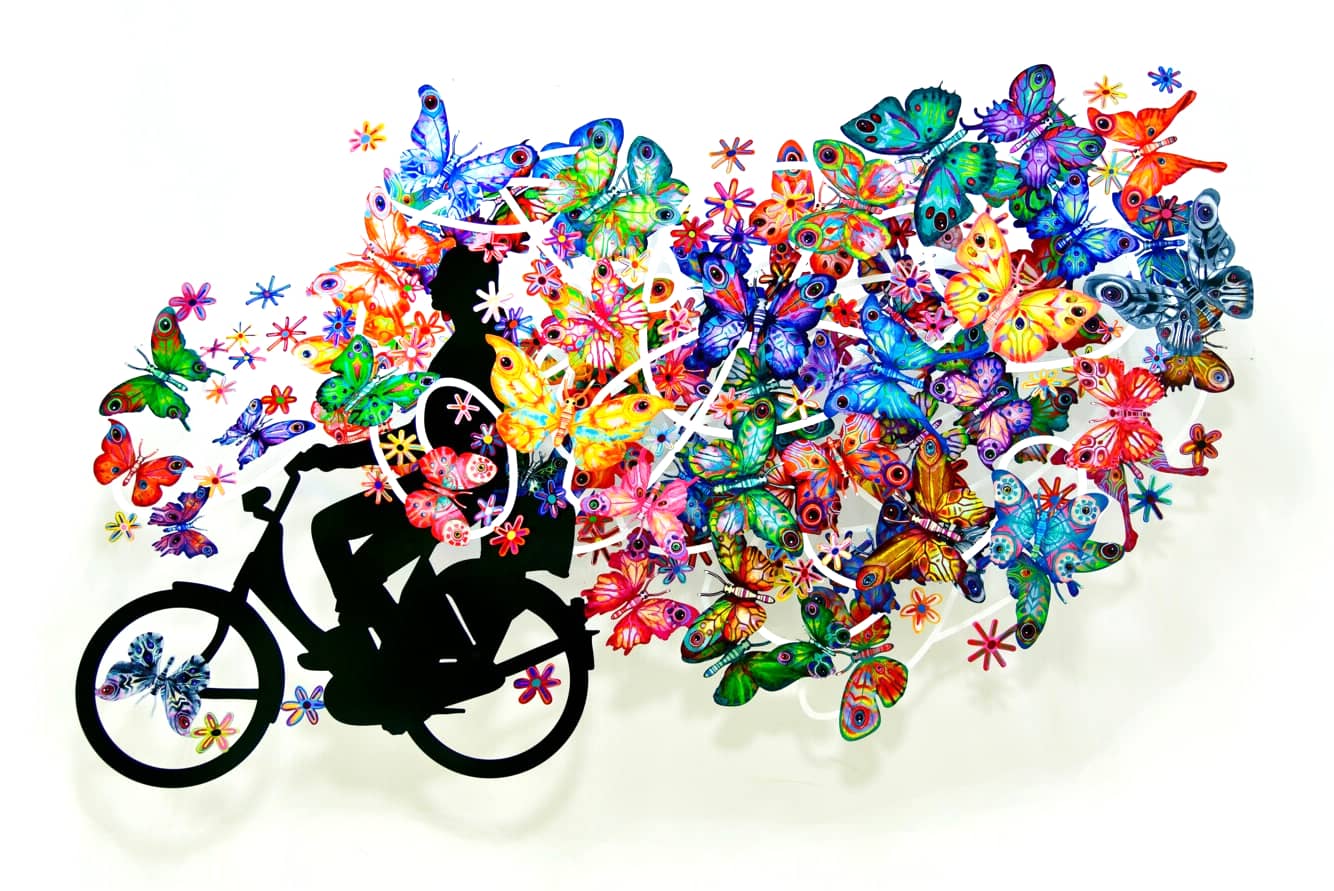
The 3D wall sculpture “Magic Clouds” by artist David Gerstein depicts a colorful swarm of countless butterflies flying through the air in a seemingly endless dance. The butterflies are designed in bright colors—red, blue, yellow, orange, green, and purple—and appear to move freely and weightlessly through space.
The three-dimensional design creates an impression of movement and lightness: the butterflies seem to fly out of the wall and fill the room with energy and vitality. Each figure is individually shaped and painted, giving the swarm a harmonious yet diverse appearance.
The composition is reminiscent of a cloud of color and life, symbolizing both dynamism and freedom. In this work, David Gerstein combines painting and sculpture in a unique way, inviting the viewer to experience the moment of flight—the feeling of lightness, joy, and boundless movement.
The butterfly is one of the most fascinating and ambiguous motifs in art history. For centuries, its delicate appearance, lightness, and amazing metamorphosis from an inconspicuous cocoon to a colorful winged creature have inspired artists around the world. In its form, movement, and symbolism, it combines themes such as transformation, transience, freedom, and the human soul—making it much more than just a decorative motif from nature.
Even in ancient times, the butterfly was considered a symbol of the human soul. The Greek word psyche means both “soul” and “butterfly,” and in mythology, Psyche, the lover of Eros, was often depicted with butterfly wings. This connection between body and spirit, between life and the afterlife, later found its way into Christian art, where the butterfly was understood as a symbol of resurrection and eternal life.
During the Renaissance and Baroque periods, the butterfly motif was frequently used in still lifes. In so-called vanitas depictions, which served as reminders of the transience of all earthly things, the butterfly often appears alongside flowers, fruit, or skulls. Its fragile beauty, short life cycle, and seemingly weightless flight became symbols of the fragile, fleeting nature of life. At the same time, it embodied hope—the idea that after earthly decay, something new, pure, and spiritual can emerge.
With the Enlightenment and scientific interest in the 17th and 18th centuries, especially through researchers such as Maria Sibylla Merian, the butterfly also took on a natural history dimension. Merian documented the life cycle of various insects, revealing for the first time the biological process of transformation – a theme that has been reflected in art ever since.
In modern times, the butterfly ultimately became a symbol of freedom, creativity, and psychological transformation. Surrealists such as Salvador Dalí and Max Ernst integrated it into their dreamscapes, making it a vehicle for inner states and poetic fantasies. In contemporary art, artists such as Damien Hirst take up the motif to reflect on beauty, death, and spirituality—often in an ambivalent, provocative way.
David Gerstein gives the butterfly a new, optimistic interpretation. In works such as Magic Clouds, it becomes a symbol of joie de vivre, energy, and movement. The butterflies seem to fly out of the wall, merging into a colorful swarm and thus embodying a visual metaphor for freedom and boundless creativity. Gerstein detaches the traditional symbol from its religious or melancholic meaning and transforms it into a contemporary sign of lightness and positive vitality.
Magic Clouds thus stands in the long tradition of the butterfly motif, but brings it into the present: the work no longer celebrates the transience of life, but its inexhaustible diversity and beauty.
David Gerstein – Master of multilayer sculptures
In David Gerstein’s multi-layered works of art, the boundary between the two-dimensionality of painting and the three-dimensionality of sculpture becomes blurred. The works of David Gerstein captivate above all by their lively colorfulness. Most often, the human being in motion is found as the central theme of his sculptures and objects and as a point of departure. Tourists on 5th Avenue, marathon runners, bicyclists, roller coasters or dancing butterflies make the viewer virtually swing along. Meanwhile, the steel sculptures are cut out using laser technology. To ensure that the sculptures give pleasure for a long time, especially in the outdoor area, they are painted with Standohyd Plus a special varnish recommended for automotive repairs from the Standox company in Germany. Countless details that allow the subject to explore and explore again and again round out his objects, which in recent years have experienced a solid price development.
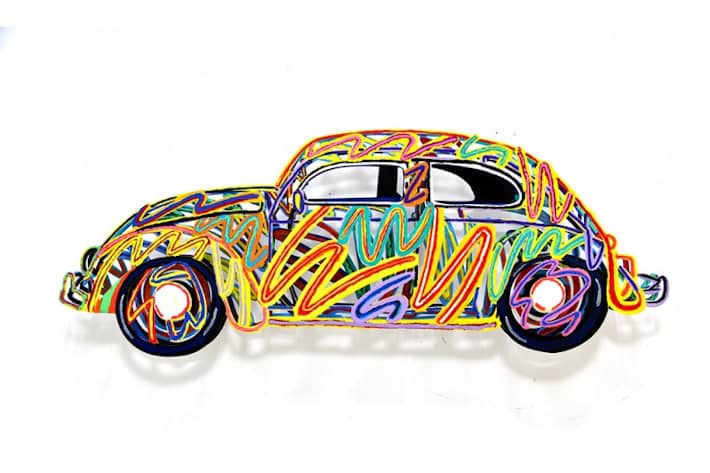
- David Gerstein Beetle / Wall sculpture / signed, numbered / edition 150
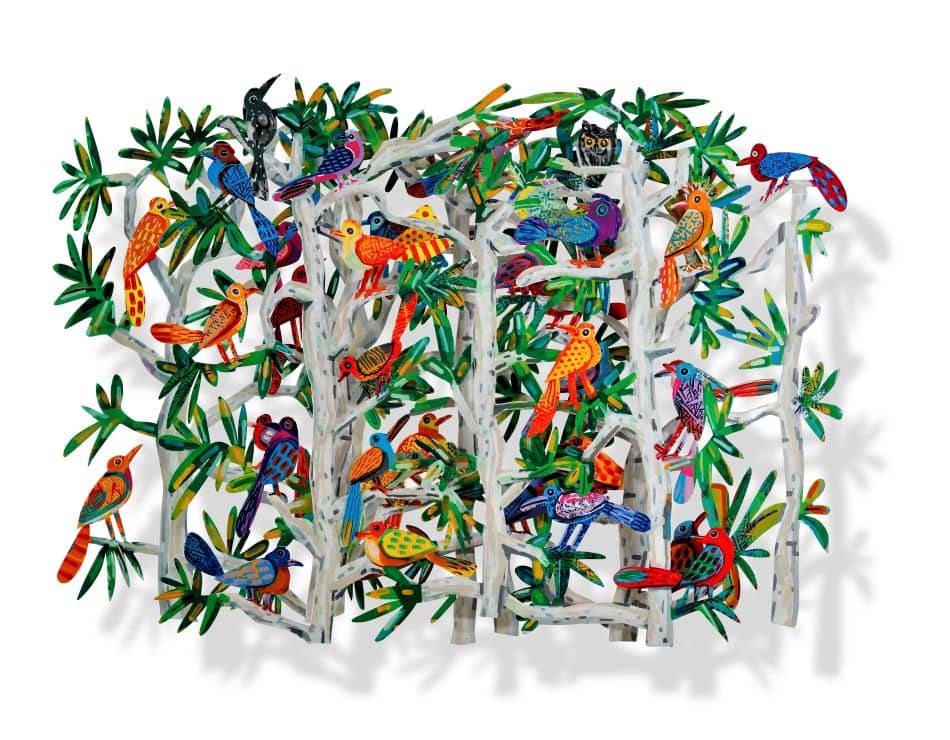
- David Gerstein Exotic Birds of Paradise / Wall sculpture / signed, numbered / edition 150
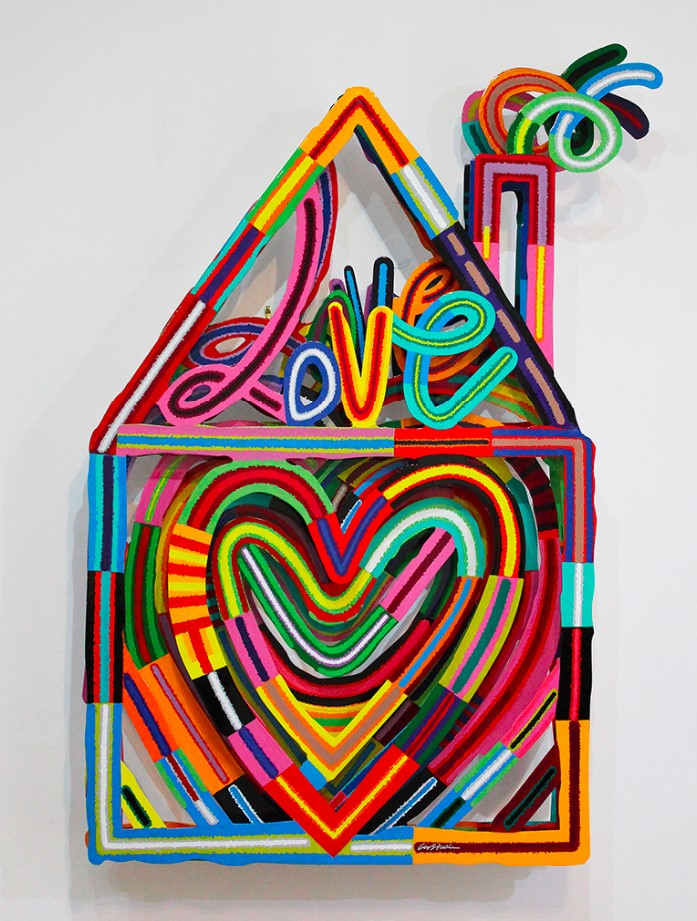
- David Gerstein Home of Laugh / Wall sculpture / signed, numbered / edition 150
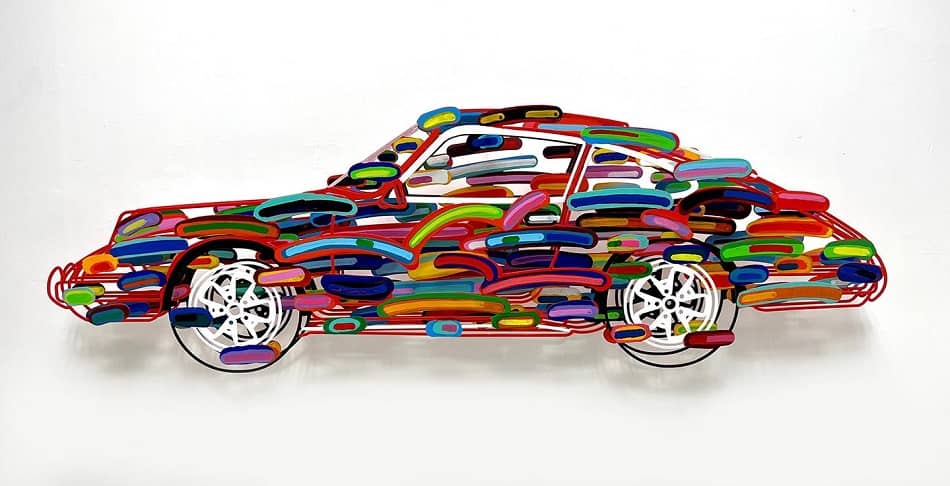
- David Gerstein Porsche 911 / Wall Sculpture / signed, numbered / Edition 95

Similar works
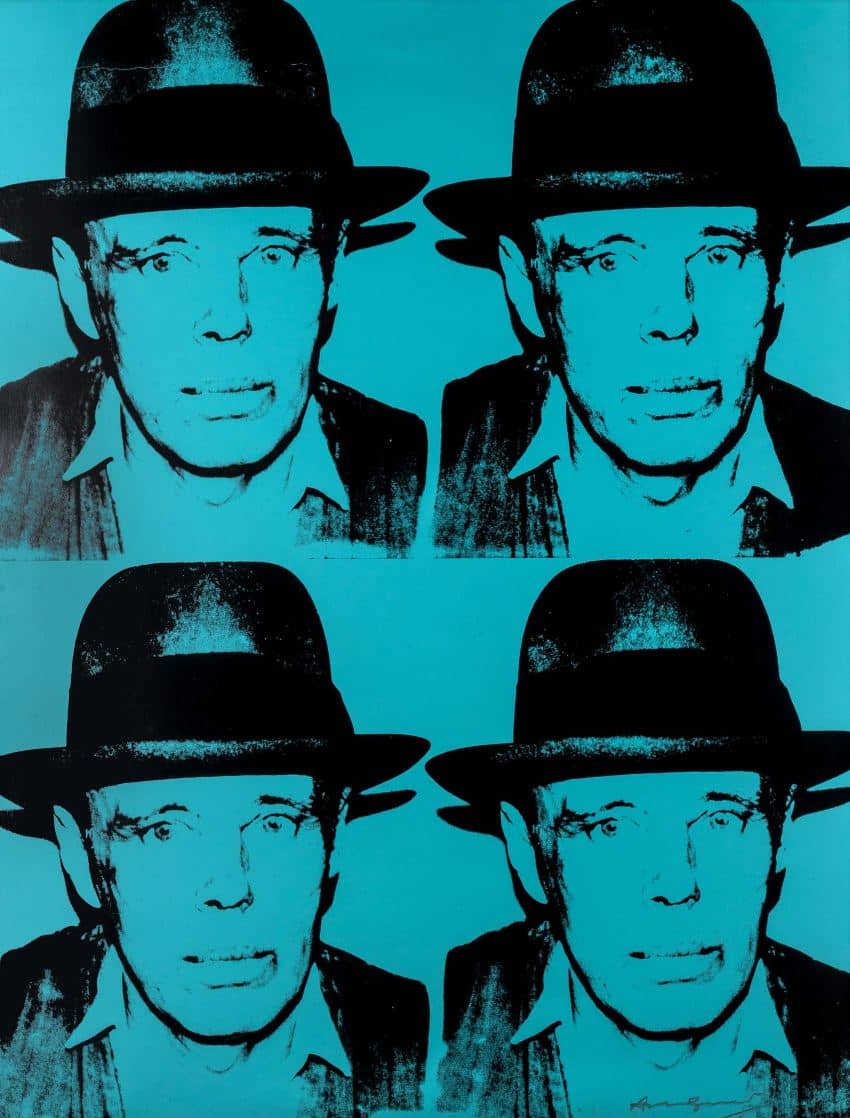 Andy Warhol Joseph Beuys State I (FS II.242) / Screenprint / signed, numbered / edition 150
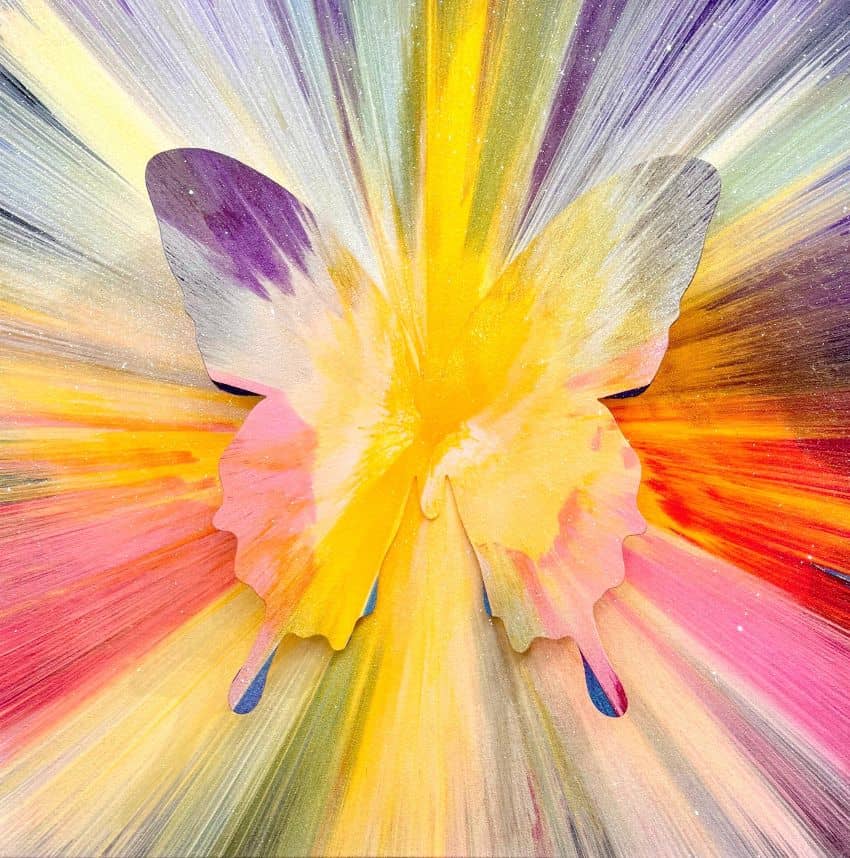 Punk Me Tender Butterfly 222 / Acrylic on canvas / signed / unique
 Isca Greenfield-Sanders Wading II Blue / Aquatint / signed, numbered / edition 40
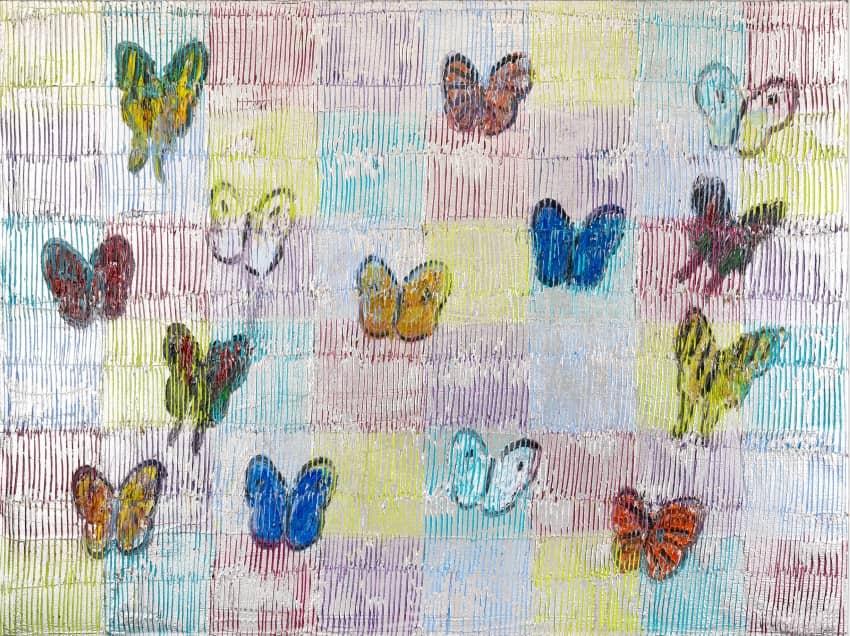 Hunt Slonem Butterflies Morning Cloak Flight / Oil on wood / signed / unique

Year: 2018
Format: 178 x 120 x 15 cm / 70.1 x 47.2 x 5.9 inch
Material:aluminum
Method:steelcut and mixed media
Edition:150
Other:hand-signed, numbered